
 Let’s be honest: a lot of irrigation still comes down to guesswork. You look at the field, check the weather, maybe stick to the same watering schedule you’ve always used, and hope it’s about right.
The problem is that crops don’t always need the same amount of water every day. Some days you’re watering too much. Other days not enough. Either way, you’re wasting money or hurting yields. That’s why more farms are starting to use smart irrigation systems.
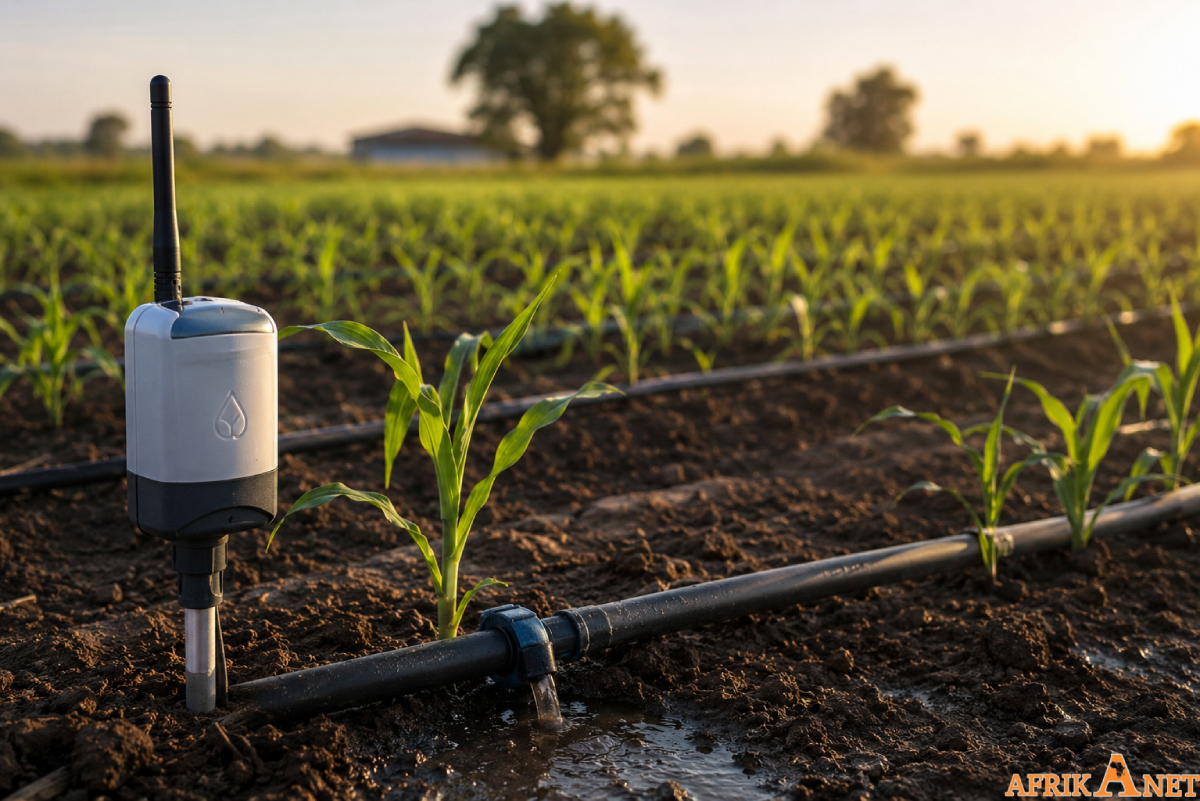
A smart irrigation system uses sensors placed in the soil to measure moisture levels. Instead of watering based on a schedule, you water based on what’s actually happening in the field.
If the soil already has enough moisture, the system can wait. If conditions are getting too dry, it can alert you or automatically start irrigation. It’s a simple idea, but it can make a huge difference.
Studies and real-world deployments have shown that smart irrigation can reduce water usage by 30–50% in many farming operations. That’s not because crops suddenly need less water. It’s because farmers stop applying water when it isn’t needed. The savings go beyond water.
If you’re pumping less water, you’re using less electricity or fuel. Equipment experiences less wear and tear. Workers spend less time checking and adjusting irrigation systems manually.
Just as importantly, crops benefit from more consistent watering. Overwatering can be just as damaging as underwatering. Too much moisture can affect root development, encourage disease, and reduce overall plant health. Smart irrigation helps maintain more stable growing conditions throughout the season.
Of course, sensors alone aren’t enough. The data has to get from the field to the farmer.
That’s where reliable connectivity becomes important. Whether it’s a large commercial farm or a remote agricultural site, modern irrigation systems depend on communication between sensors, controllers, and monitoring platforms.
Implementing a smart irrigation system requires more than just sensors in the ground. Reliable connectivity, compatible monitoring platforms, networking equipment, and the right supporting infrastructure all play an important role in ensuring the system performs effectively. At Afrikanet, we help organizations identify, source, and supply the technology solutions required for projects such as smart irrigation, remote monitoring, and IoT deployments, ensuring they have access to the right equipment for their operational needs.
Contact Us For More
Oxford Culham Science Centre Building C2
OX14 3DB Oxford, Abingdon Culham, UK