
Snow is not something that simply falls; it begins as a secret, invisible ballet high above the Earth, in clouds so cold and silent that no human could survive there. Here, water exists not as liquid but as vapor, drifting freely until it finds something to cling to — a speck of dust, a fragment of pollen, a tiny particle no larger than a thought. This particle becomes the nucleus, the stage upon which a delicate dance begins. Molecules of water gather, aligning themselves with perfect precision, forming six-sided patterns that follow the immutable rules of nature. In this quiet, frozen factory, snow is born, not as frozen rain, but as a crystal built molecule by molecule, a fragile work of art invisible to all but the closest eye.
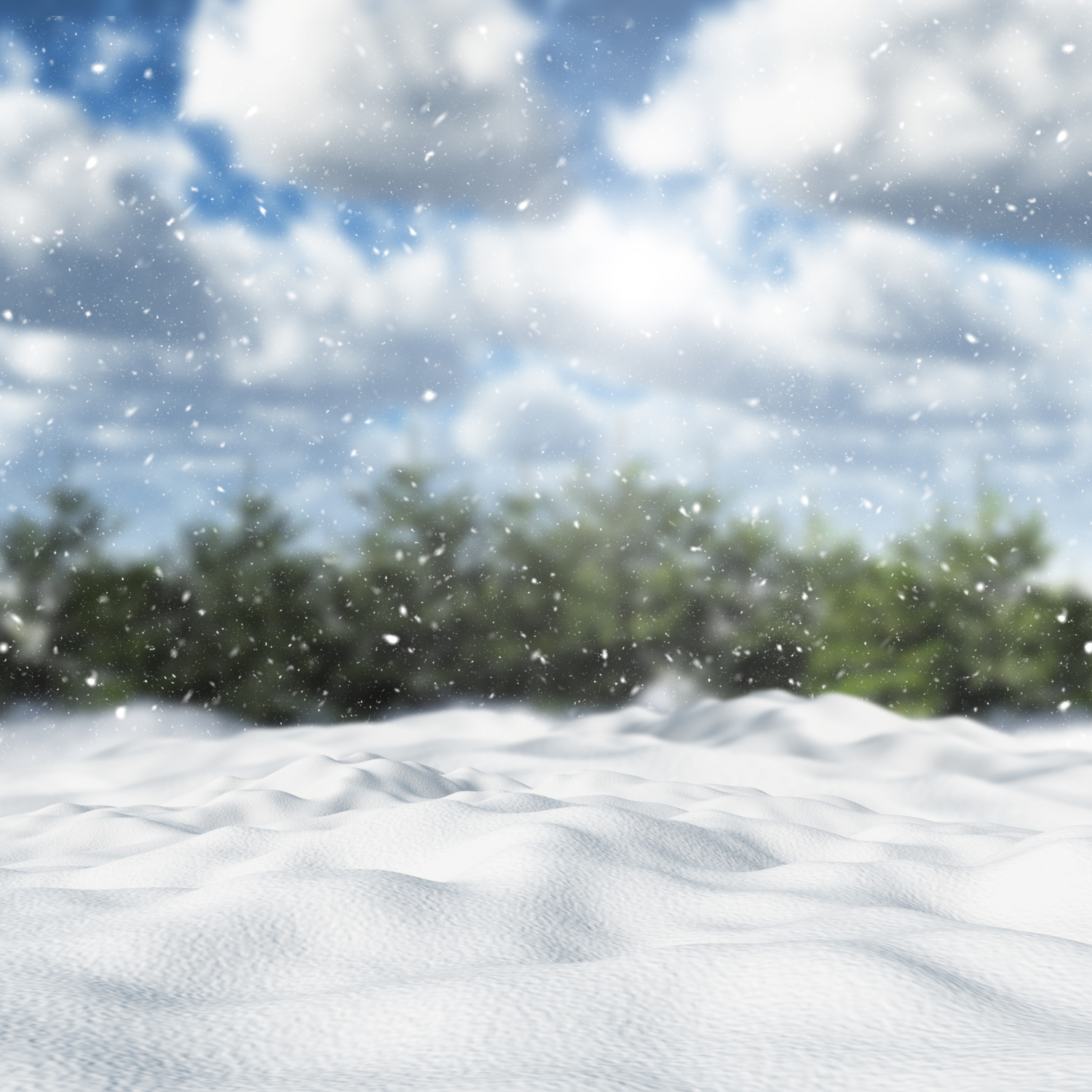
As the snowflake begins its descent, the world above continues to shape it. Invisible currents of air, layers of differing temperature and humidity, stretch its arms, twist its branches, or leave it simple and elegant. Some snowflakes collide with others, shattering or merging into new forms; some fall untouched, their symmetry perfect and fragile. No two follow the same journey, no two carry the same story, and in their fleeting existence, they capture the precise moment of the atmosphere they pass through. Each flake is a one-time miracle, a record of conditions that will never occur again.
Snow is most familiar in the vast expanses of the Northern Hemisphere — the endless forests of Canada and Russia, the fjords of Scandinavia, the icy plains of Siberia — and atop towering mountains where cold lingers even in warmer climates, from the Alps to the Andes, the Rockies to the Himalayas. In these places, snow shapes the land, nourishes rivers, and dictates seasons. Yet even here, it is temporary, vanishing as it melts or compresses, leaving only silence, cold, and a fleeting sense of wonder. Snow reminds us that beauty is often ephemeral, created in secret, shaped by forces beyond our control, and cherished only because it cannot last.