
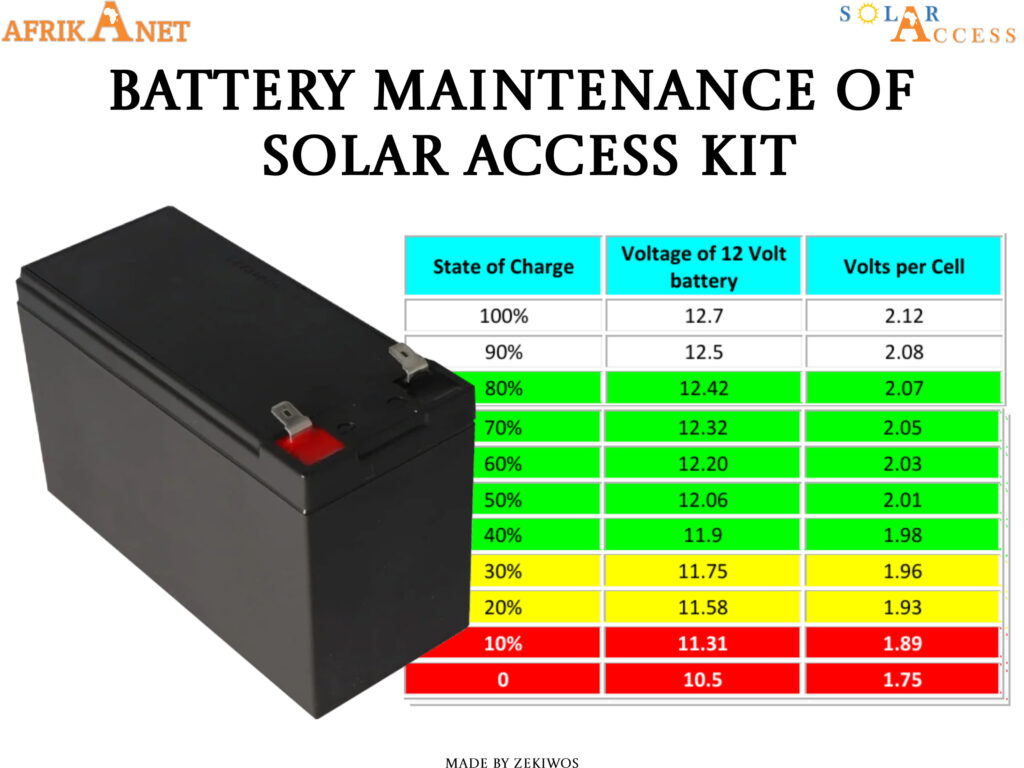
Solar energy systems are widely appreciated for their reliability and low maintenance requirements. Solar panels themselves can last more than 25 years with very little attention. However, the battery inside a solar system is the component that requires the most care. This is also true for the Solar Access Solar Kit, where the battery plays a central role in storing energy and ensuring electricity is available when sunlight is not.
Many users assume that if the solar panel is working correctly, the entire system should operate without any issues. In reality, most performance problems in small solar systems are related to the battery rather than the panel. Understanding how batteries behave and how to maintain them can significantly improve the lifespan and performance of a solar kit.
Understanding Battery Self-Discharge
All batteries naturally lose some of their stored energy over time. This process is called self-discharge, and it occurs even when the battery is not connected to any device. Inside the battery, small chemical reactions slowly reduce the stored charge.
In lead-acid batteries, which are commonly used in solar lighting systems such as the Solar Access Solar Kit, this process is normal but important to understand. At temperatures around 26°C (80°F), a lead-acid battery can lose roughly 4 percent of its charge each week if it is not being used or recharged.
While this may not sound significant at first, the loss accumulates over time. If a battery is stored for several months without charging, a large portion of its energy capacity can be lost. For example, a battery rated at 125 amp-hours could lose a substantial amount of its stored power after about four months without being recharged.
Over time, this can lead to a condition known as sulfation, which can reduce the battery’s ability to charge and hold energy effectively.
Why a Solar Kit Battery May Stop Charging
One situation that sometimes occurs with solar systems is when the battery seems unable to charge from the solar panel, even when the panel is functioning normally. This issue is often related to deep discharge.
When a 12-volt battery becomes fully discharged, its voltage can drop to around 10.5 volts. At this level, the battery may struggle to accept energy from the solar panel. Even though the solar panel in a Solar Access Solar Kit can generate around 17.5 to 18 volts under sunlight, the battery may not recognize the incoming current.
This behavior is usually caused by sulfation. When a battery remains in a discharged state for too long, lead sulfate crystals begin forming on the battery plates. These crystals interfere with the battery’s chemical reactions, making it difficult for the battery to recharge normally.
The good news is that in many cases the battery is not permanently damaged and can still be recovered.
How to Reactivate a Deeply Discharged Battery
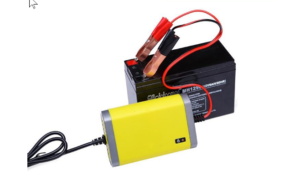 If the battery in a Solar Access Solar Kit has been deeply discharged, it may need to be reactivated using a controlled external charger.
A charger that provides an output voltage between 13 and 15 volts and around 2 amps of current is typically suitable for this type of lead-acid battery. The charger should be connected carefully to the battery’s positive and negative terminals using proper clips or connectors.
Once connected, the battery should be left to charge gradually. In many cases, the battery will slowly begin to accept current again as the internal chemical balance stabilizes. After some time, the battery can return to a normal charging state and work again with the solar panel.
This process may require patience, but it often restores the battery to functional condition.
Simple Practices to Extend Battery Life
Proper battery care is one of the most important aspects of maintaining a solar system. Even though the solar panel in a Solar Access Solar Kit is designed to last decades, the battery requires periodic attention.
One important recommendation is to avoid leaving the battery fully discharged for long periods. If the solar kit is not being used regularly, the battery should be recharged every one to two months to prevent capacity loss.
Keeping the battery charged helps prevent sulfation and maintains the internal chemistry needed for proper performance.
Solar kits are designed to provide dependable power in homes, rural communities, and off-grid environments. By understanding how batteries behave and following a few simple maintenance practices, users can ensure that their Solar Access Solar Kit continues providing reliable energy for many years.
Taking care of the battery is not complicated, but it makes a significant difference in the long-term performance of the entire solar system.