
 For much of the internet age, the technology equation seemed relatively straightforward: connect more people, expand access, lower costs, and the benefits would follow. Governments invested in digital infrastructure, telecom companies expanded their networks, and technology companies built platforms capable of reaching billions of users. That work remains unfinished. Large parts of the world still struggle with affordability, reliable connectivity, and meaningful access to digital services. Yet as societies become increasingly dependent on digital systems, another set of questions has started to emerge alongside the connectivity challenge.
Most people interact with technology through apps, websites, and devices, but these are only the visible layers of a much larger system. Every message, payment, search query, and cloud-stored file depends on infrastructure operating in the background. Data centers, cloud platforms, undersea cables, payment networks, and digital identity systems have quietly become part of the foundation of modern life, much like roads, ports, and electricity grids.
As this infrastructure becomes more important, attention is beginning to shift from access alone to questions of ownership and control. Where is data stored? Who owns the systems that process it? Who sets the rules governing digital platforms? And what happens when critical digital services depend on infrastructure that sits beyond the reach of the people, businesses, or governments that rely on them?
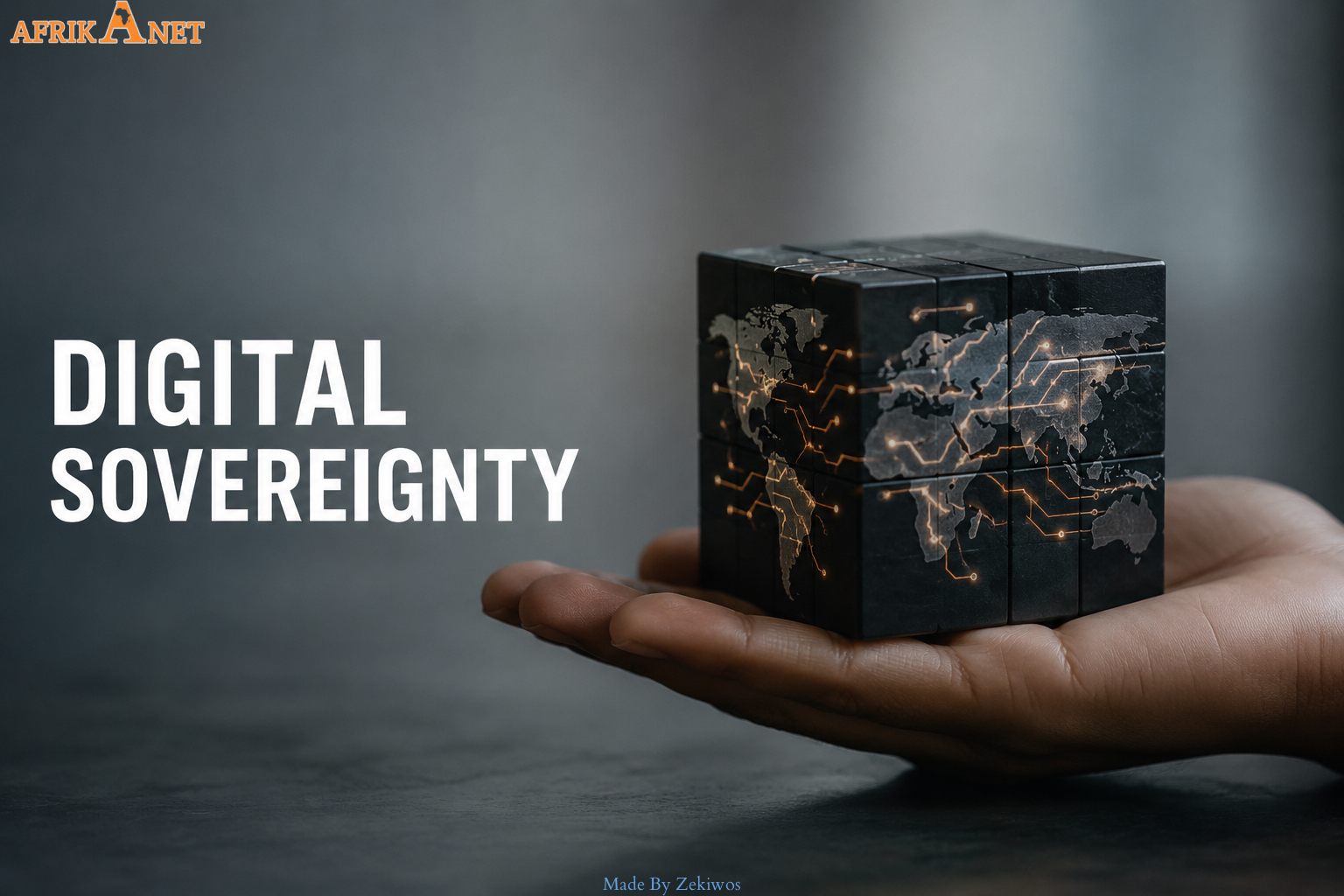
This is where the concept of digital sovereignty enters the conversation. Despite its technical appearance, the idea is fairly simple. It reflects a growing interest in understanding who controls the digital foundations of modern society and how much influence countries, institutions, and citizens have over systems that increasingly shape economic, political, and social life.
What makes this debate particularly interesting is that it is unfolding across the world. Europe discusses cloud independence and data governance. Countries across Asia are investing heavily in domestic technology capabilities. African governments are paying closer attention to digital infrastructure, data centers, and regulatory frameworks. Different regions may have different priorities, but they are increasingly wrestling with the same underlying concern: whether participation in the digital economy is enough without some degree of influence over the infrastructure that powers it.
The challenge of the last two decades was largely about getting connected. The challenge that is now emerging is more complex. It is about resilience, governance, and ownership. In other words, it is about understanding that being connected to the digital world is not quite the same thing as having a stake in how that world is built and governed.